Common problems with wedding flowers in Collier Row venues
Posted on 07/11/2026
Wedding flowers should feel effortless on the day. In reality, a lot can go wrong between the first bouquet idea and the moment the registrar asks everyone to sit down. With Common problems with wedding flowers in Collier Row venues, the issues usually aren't dramatic on their own. It's the small things: a bouquet that looks stunning in a shop but overwhelms a compact room, a buttonhole that droops after a warm car journey, or centrepieces that block the view across the table. Truth be told, those little mismatches are what most couples notice first.
If you are planning a wedding in Collier Row, this guide will help you spot the pitfalls before they become expensive fixes. We will look at why these problems happen, how venue layout affects floral choices, what to check with your florist, and how to keep everything looking polished from arrival to last dance. It's practical stuff, not fluffy romance, because the day already has enough moving parts.
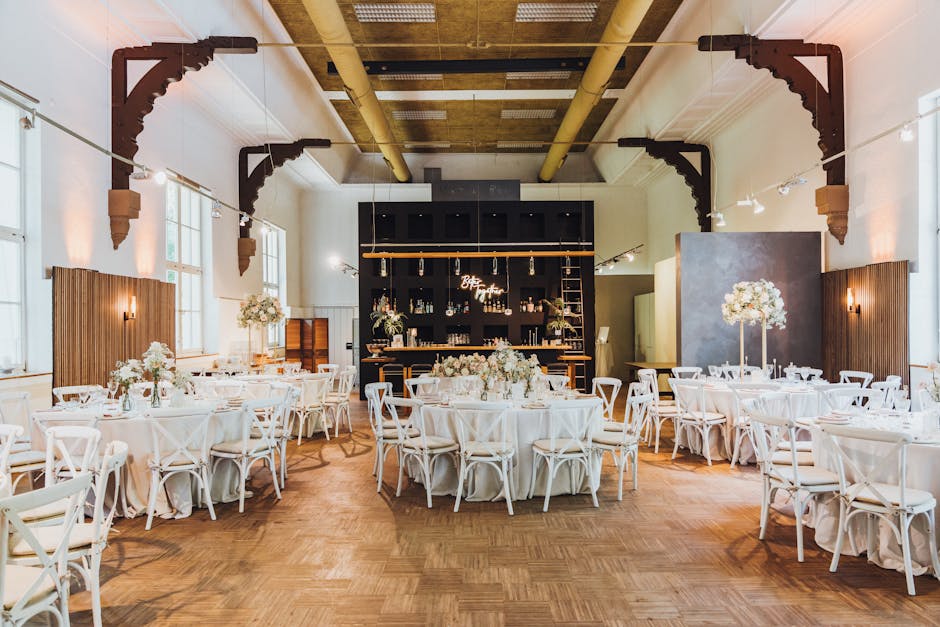
Table of Contents
- Why common problems with wedding flowers in Collier Row venues matters
- How the flower planning process works
- Key benefits and practical advantages
- Who this is for and when it makes sense
- Step-by-step guidance
- Expert tips for better results
- Common mistakes to avoid
- Tools, resources and recommendations
- Law, compliance, standards, or best practice
- Options, methods, or comparison table
- Case study or real-world example
- Practical checklist
- Conclusion
- Frequently asked questions
Why Common problems with wedding flowers in Collier Row venues Matters
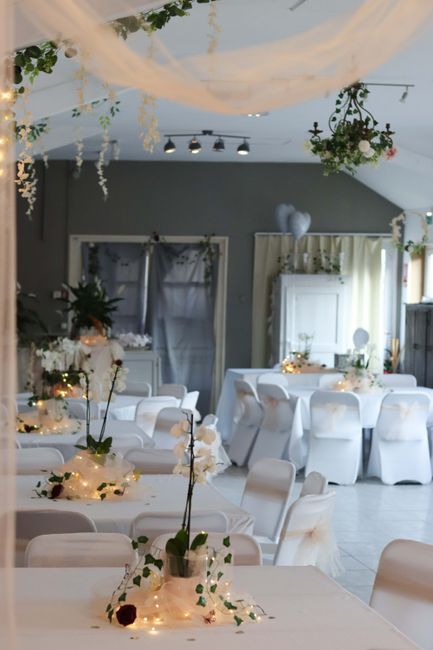
Flowers do more than decorate a room. They set the tone the second guests walk in. In a Collier Row venue, where spaces can vary from intimate function rooms to larger reception halls, the wrong floral plan can quickly feel out of place. A display that seems romantic on a mood board may look too tall under a low ceiling, or too sparse in a bright, open space.
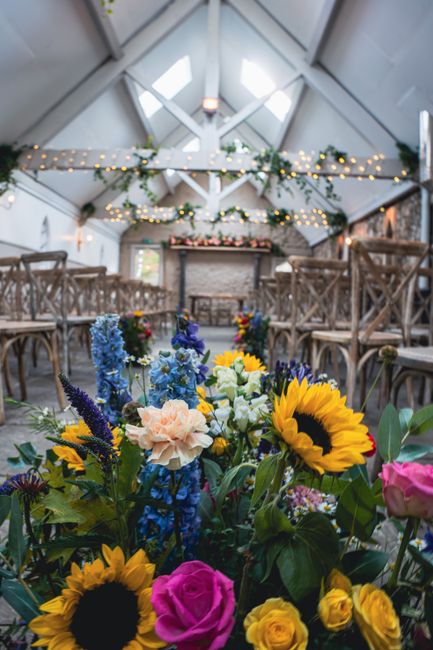
This matters because flowers are often one of the most visible parts of a wedding budget. People remember the bouquet photos, the ceremony aisle, the top table, the scent in the room, and the buttonholes tucked into lapels. They also remember when something was late, wilted, or awkwardly sized. Not ideal, let's face it.
There is also a timing issue. Flowers are living products, and wedding schedules can be unforgiving. Traffic, hot weather, cold storage, narrow loading access, and last-minute venue changes all have a habit of appearing on the same day. In our experience, the best outcomes come from planning for the venue first and the flowers second, not the other way around.
Expert summary: Most floral problems in Collier Row venues are not about the flowers themselves. They are about fit, timing, temperature, and communication. Get those right and the flowers tend to behave themselves beautifully.
How Common problems with wedding flowers in Collier Row venues Works
Understanding the process helps you see where things usually go wrong. Wedding flower planning is a chain, and each link matters. The florist designs the arrangement, sources the flowers, conditions them, transports them, installs them, and then keeps them looking fresh through the event. If one step is slightly off, the whole look can feel a bit uneasy.
Here is the usual flow:
- Venue review - The florist checks the room size, table layout, lighting, and access.
- Style matching - The flowers are matched to the dress, colour palette, season, and budget.
- Practical planning - Delivery timing, setup windows, and storage are agreed.
- Preparation - Flowers are conditioned, trimmed, and assembled close to the wedding day.
- Delivery and installation - Items arrive at the venue and are placed in the correct positions.
- Day-of maintenance - Delicate blooms may need misting, shade, or quick adjustments.
The problems tend to show up when the planning skips one of those stages. For example, a couple might choose a big, cascading style for the bridal bouquet, only to find it is difficult to carry during a long ceremony walk in a narrow aisle. Or they may order dramatic table arrangements and then realise guests can't see across the table. Small detail, big difference.
Collier Row venues can also vary quite a bit in natural light and climate control. A warm room with a lot of movement near doors is very different from a cooler, tucked-away function space. Roses, hydrangeas, lilies, chrysanthemums, and mixed seasonal blooms all respond differently. A good florist will think about that, not just the colour scheme.
Key Benefits and Practical Advantages
Working through the common flower problems early gives you more than just prettier arrangements. It gives you control. And control, on a wedding day, is worth quite a lot.
- Better visual balance - Arrangements fit the venue instead of fighting it.
- Longer-lasting flowers - Correct conditioning and timing help blooms stay fresh.
- Less waste - You avoid paying for oversized or unsuitable designs.
- Smoother setup - Clear delivery instructions reduce stress for everyone involved.
- Cleaner photos - The bouquet, table pieces, and ceremony flowers all look coherent on camera.
- Fewer surprises - The day feels calmer when the floral plan matches the venue layout.
There is also an emotional benefit that people sometimes overlook. When the flowers are right, the room feels settled. Guests notice it immediately, even if they cannot explain why. The whole place just breathes a bit easier. That matters.
Who This Is For and When It Makes Sense
This topic is useful for couples at several stages of planning. If you have only just started venue viewing, it helps you ask the right questions before you fall in love with a floral style that won't suit the room. If you already have a venue in Collier Row, it helps you compare flower ideas against practical realities rather than hoping they will magically work out on the day.
It also makes sense for:
- couples planning a civil ceremony or reception in a local venue
- brides and grooms choosing from ready-made wedding collections
- families helping with wedding logistics and budgets
- venue coordinators who want smoother setup and fewer last-minute changes
- anyone comparing bridal bouquets, bridesmaid flowers, buttonholes, and table arrangements
If you are working with a tighter schedule, the issue becomes even more relevant. Last-minute flower orders are possible, but they narrow your options. A same-day or next-day service can help with emergencies, though wedding flowers deserve more lead time than that whenever possible. A small mismatch on a normal bouquet is manageable. On a wedding morning? Not so much.
For couples still at the browsing stage, it can help to look at the wedding-specific ranges first, such as wedding flower collections and the dedicated bridal bouquet options, then work outward from there.
Step-by-Step Guidance
If you want to avoid the most common flower problems, follow a simple planning process. Nothing fancy. Just a proper sequence.
1. Start with the venue, not the bouquet
Ask how much space you really have for ceremony flowers, aisle pieces, table arrangements, and any entrance displays. A tall floral runner can look elegant in a spacious hall and completely block sightlines in a smaller room.
2. Check lighting and temperature
Natural daylight, low lighting, and warm air all affect how flowers appear. Pale blooms may disappear in a dim room, while delicate petals can wilt more quickly in heat. This is especially worth thinking about for summer weddings or venues with strong afternoon sun coming through the windows.
3. Match the arrangement style to the movement of the day
Will the bouquet be carried for a long time? Will buttonholes be worn during travel? Will table pieces need to be moved between ceremony and reception? The more movement involved, the sturdier the design should be.
4. Ask about stem conditioning and delivery timing
Fresh flowers are usually cut, hydrated, and conditioned before delivery. You do not need to know every technical step, but you should ask when the flowers will be prepared and how long they will be outside storage before setup. That question alone can prevent a headache.
5. Decide what absolutely must be seen in photos
Some couples care most about the bouquet. Others want the tables to look spectacular. Some need a statement arrangement behind the registrar table. Pick the priorities first. Budget follows focus, and honestly that makes life easier.
6. Build a backup plan for sensitive blooms
If your design uses flowers that are more delicate, ask what happens if a bloom opens too early or arrives softer than expected. A good florist will have alternatives ready, even if they never need them. That is just sensible planning.
7. Confirm access, parking, and unloading
It sounds boring. It is boring. But it matters. If the florist cannot unload easily, timing slips and the flowers spend more time in transit than they should. On a wedding day, five minutes can snowball very quickly.
Expert Tips for Better Results
Here are the things experienced planners and florists tend to check first, because they solve more problems than most people expect.
- Choose stems with staying power - Roses, alstroemeria, chrysanthemums, and certain mixed seasonal blooms usually hold up well, especially in variable indoor conditions.
- Use the venue's colour cues - If the room already has deep carpet, patterned chairs, or warm wall tones, overly soft pastel flowers can look washed out.
- Keep the bouquet comfortable - If it is too heavy, the bride feels it by the halfway mark. Nobody wants a lovely bouquet that doubles as a dumbbell.
- Think in zones - Ceremony, photos, dining, and evening dancing may each need slightly different floral approaches.
- Ask for samples of scale - A florist can often explain the size of centrepieces and bouquets in relation to a plate, chair, or doorway. That simple comparison helps a lot.
- Prioritise airflow - Flowers near radiators, kitchen doors, or busy entrances need more robust choices.
A useful local tip: if you know the venue will be busy with guests arriving in coats and umbrellas, expect more movement near doorways than the photos suggested. Small things like this change how flowers behave. You will notice it if you have ever stepped into a room after a damp British afternoon and felt the air shift at the entrance.
Also, keep the design cohesive. Bridal bouquet, bridesmaid bouquet, corsages, and buttonholes should feel like they belong to the same family, even if they are not identical. Dedicated options such as bridesmaid bouquets, wedding buttonholes, and wedding corsages can help build that consistency.
Common Mistakes to Avoid
Most wedding flower problems are predictable once you know what to look for. That is the annoying part, really. They are predictable, yet still easy to miss when you are busy choosing dresses, menus, and seating plans.
- Ordering by picture only - A bouquet on a white background may look nothing like it does in your venue.
- Ignoring room scale - Large arrangements in compact rooms can feel cluttered instead of elegant.
- Choosing too many fragile blooms - Some flowers are gorgeous but not the best choice for a long, warm wedding day.
- Forgetting the table view - Tall displays can block conversation and make dining awkward.
- Leaving delivery instructions vague - "Deliver to the venue" is not enough if there are multiple entrances or setup windows.
- Not checking the budget split - A beautiful bouquet and seven elaborate centrepieces may not be the best use of funds if the room is small.
- Skipping a venue walk-through - If possible, look at the room with your florist or at least share photos, measurements, and layout notes.
One of the most common mistakes is over-ordering. Couples see a few extra stems, think "just in case," and before long the floral plan has become bloated. Not every table needs a hero piece. Sometimes a tidy, well-composed arrangement is far stronger than a sprawling one.
Another issue is assuming all flowers age the same way. They do not. If the ceremony starts at lunchtime and the reception runs late into the evening, choose blooms that can keep their shape for a decent stretch. It is a wedding, not a race against the clock, but close enough.
Tools, Resources and Recommendations
You do not need specialist software to plan wedding flowers well, but a few simple tools make the process much easier.
- A venue photo pack - Ask for clear pictures of the ceremony and reception spaces from different angles.
- A rough floor plan - Even a basic sketch helps show where arrangements will go.
- Colour swatches - Keep fabric samples or saved screenshots of the dress, linens, and key decor pieces.
- A flower preference list - Note what you love, what you dislike, and any scents that feel too strong.
- Timeline notes - Write down delivery times, ceremony start time, and any room turnaround windows.
If you are browsing flower types, it helps to look at both style and durability. For example, roses, lilies, alstroemeria, hydrangeas, and mixed seasonal designs can serve different purposes. A florist's choice option can also be practical when you want the freshest available blooms without getting stuck on one exact stem.
For support outside the core wedding range, the website also includes useful pages like flower care guidance, delivery information, and the service overview on about us. Those won't plan the wedding for you, of course, but they do help set expectations.
If you want a softer or more practical budget-friendly route, look at budget options and compare them with the more detailed luxury flowers range. Sometimes the middle ground is the sweet spot.
Law, Compliance, Standards, or Best Practice
Wedding flowers are not heavily regulated in the way some industries are, but there are still sensible standards worth following. In the UK, the main concerns are usually consumer expectations, clear communication, and responsible business practice rather than legal complexity.
Here is what couples should keep in mind:
- Clear descriptions matter - If a florist says a design is seasonal or florist's choice, that should be understood as a flexible style rather than an exact replica.
- Delivery and refund terms should be read carefully - It is wise to understand what happens if timing changes, the venue access shifts, or an arrangement arrives damaged.
- Fresh product handling is important - Flowers should be stored and transported in a way that protects them from heat, crushing, and dehydration.
- Accessibility should be considered - If guests or staff need to move around arrangements, the layout should allow safe, easy movement.
- Sustainability is now part of best practice for many couples - Reusable vessels, local sourcing where possible, and reduced waste are all sensible considerations.
It is also a good idea to read the florist's terms and conditions and returns and refund information before placing an order. That way, everyone knows where they stand. Not glamorous, no, but very useful.
For couples who care about responsible sourcing and packaging, the sustainability page is worth a look too. Best practice is often just common sense written down properly.
Options, Methods, or Comparison Table
Different floral approaches suit different venues and wedding styles. Here is a simple comparison to help you think through the trade-offs.
| Approach | Best for | Potential issue | Practical note |
|---|---|---|---|
| Hand-tied bouquet | Brides who want something comfortable and classic | Can still be too heavy if overfilled | Good for long ceremonies and photos |
| Cascading bridal bouquet | Dramatic looks and formal styling | May be awkward in narrow aisles or on windy outdoor transfers | Needs careful scale matching |
| Low table arrangements | Dining spaces where conversation matters | Can feel understated if the room is very large | Often the safest choice for reception tables |
| Tall centrepieces | Big rooms with high ceilings | Can block sightlines and crowd the table | Use only when the venue size supports them |
| Florist's choice designs | Flexible couples and seasonal weddings | Less control over exact flowers | Often excellent value and freshness |
In Collier Row venues, the best option is often the one that suits the room rather than the one that looks biggest in a photo. A modest design placed well can outshine an expensive arrangement that feels out of proportion. That sounds obvious, but people still get caught out by it all the time.
Case Study or Real-World Example
Here is a realistic example based on a very typical wedding planning scenario.
A couple chooses a local Collier Row venue for a late-spring reception. They love blush and ivory flowers and initially want tall centrepieces, a large bridal bouquet, buttonholes for the groom party, and a sweeping table display. On paper, it looks lovely. Then they see the room. The ceiling is lower than expected, the tables are fairly close together, and there is a busy flow between the entrance, bar, and dance area.
After reviewing the space, the floral plan changes in a few smart ways:
- the bridal bouquet is made slightly smaller so it is easier to carry
- the table flowers are switched to lower arrangements
- buttonholes are kept simple and secure for travel
- the ceremony flowers are reused in the reception area, which helps the budget
The result is calmer and more elegant than the original idea. Guests can see each other across the tables, photographs capture the flowers properly, and nothing looks squeezed in. A sensible win. The couple still gets a beautiful result, just one that fits the venue instead of competing with it.
That is the whole point, really. Flower design should support the day, not make the day negotiate with the flowers.
Practical Checklist
Use this checklist when planning flowers for a Collier Row venue. It is simple, but it catches a lot of issues before they become costly.
- Have I seen the venue layout or at least clear photos?
- Do I know which areas need flowers most: ceremony, tables, entrance, or photos?
- Have I checked ceiling height, aisle width, and table size?
- Do I know whether the room gets warm, cool, or strong sunlight?
- Have I chosen flowers that suit the season and the timing of the day?
- Are the bouquet size and weight comfortable for carrying?
- Will table flowers block conversation or sightlines?
- Have I confirmed delivery time, venue access, and unloading details?
- Do I know what happens if a stem arrives damaged or a substitution is needed?
- Have I read the florist's terms, refund policy, and care guidance?
If you can answer yes to most of those, you are already ahead of the game.
Conclusion
The most common problems with wedding flowers in Collier Row venues usually come down to fit, timing, and communication. The good news is that all three are manageable. Once you match the flower style to the venue layout, think carefully about heat and access, and confirm the practical details early, the whole floral part of the day becomes far smoother.
That leaves you with the good bits: the moment the bouquet is handed over, the little gasp when guests see the ceremony space, the quiet pride of a table that feels beautifully finished. Those are the moments people remember. Not the stress behind them.
If you are planning your wedding flowers now, focus first on what the room needs, then on what looks beautiful in it. That one shift solves more problems than you might expect. And if you keep things simple where it matters, the result can feel truly special.
Get a free quote today and see how much you can save.
Frequently Asked Questions
What are the most common problems with wedding flowers in Collier Row venues?
The biggest issues are usually mismatched flower size, poor timing, wilted blooms, and arrangements that do not suit the venue layout. A room that looks spacious in photos may feel very different on the day, so scale matters a lot.
How far in advance should I plan wedding flowers?
Earlier is usually better, especially if you want specific flowers or a detailed design. Planning ahead gives you more time to check venue dimensions, talk through delivery, and avoid last-minute substitutions that may not suit the look.
Can I use the same flowers for the ceremony and the reception?
Yes, and it is often a smart way to stretch the budget. Ceremony flowers can be moved to the reception if the design and timing allow it. Just make sure the florist knows this from the start so the arrangements can be built for reuse.
Which flowers hold up best for long wedding days?
Hardier blooms such as roses, alstroemeria, chrysanthemums, and some mixed seasonal flowers often perform well. The best choice still depends on the room temperature, travel time, and how long the flowers need to look fresh.
Are tall centrepieces a bad idea for Collier Row venues?
Not always. They can work well in larger rooms with higher ceilings. In smaller or busier spaces, though, they can block sightlines and make tables feel crowded. It is more about the venue than the flower style itself.
What should I tell my florist about the venue?
Share photos, table sizes, ceiling height if you know it, access details, parking information, and the timing of the day. The more the florist understands, the better they can plan the size, transport, and installation of the flowers.
How do I stop bouquet flowers from wilting?
Keep the bouquet cool, avoid leaving it in a warm car for too long, and ask for advice on handling and storage. Some flowers are more delicate than others, so the florist should guide you on what can be done safely before the ceremony.
Do I need matching flowers for bridesmaids and buttonholes?
They do not need to match exactly, but they should feel coordinated. Using related colours, textures, or flower types creates a polished look without making everything identical. That usually works better in photos too.
What if my chosen flowers are out of season?
You may still be able to get them, but they can be more expensive or less reliable. A good florist can suggest seasonal alternatives that keep the same feel without causing unnecessary stress or cost.
Can I order wedding flowers online for a Collier Row venue?
Yes, but it is best to choose a supplier that clearly explains product style, delivery, and wedding-specific options. If you are comparing ranges, look closely at wedding collections and delivery details so there are no surprises later.
How can I keep flower costs under control without making the wedding look sparse?
Focus on the most visible areas first. A well-designed bouquet, key ceremony flowers, and a few strong table pieces often create more impact than spreading the budget thinly across too many items. Sometimes fewer, better-chosen flowers look richer anyway.
What is the best next step if I am worried about flower problems?
Make a simple venue note sheet and compare it with the flower styles you like. Then check timing, room size, and budget before placing an order. If you can, speak with a florist early so they can help shape the plan around the venue rather than against it.